Part 5 (Jul 2026) · #9 of 9 in that tierWatch the moment (2:44:22)
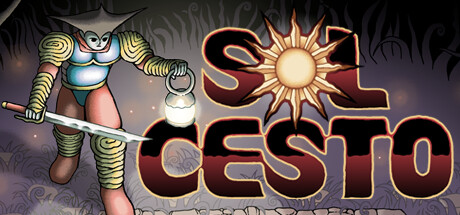
Sol Cesto
- Developed by
- Tambouille, Géraud Zucchini, Chariospirale
- Published by
- Goblinz Publishing, Maple Whispering Limited
$13.99
Sol Cesto is a tactical and frantic roguelite where mastering your luck is key. Choose a hero, upgrade them using cursed teeth and magical items, and descend to the bottom of an ever-changing dungeon. In this dark world, every action has consequences…
Consensus
B74.8/100
Steam players91.1% positiveVery Positive5,181 reviews
Metacritic ↗Users: 7.6/10
VG Insights estimate ↗≈210K copies · ≈$1.8M gross
What creators say
What players say
A French-made tactical roguelite where you pick one of four tile rows per floor and percentage odds decide which monster, treasure, trap or strawberry you land on, with cursed teeth used to rig those odds as you descend a dungeon to find a lost sun.
Sol Cesto is well received by players (Steam Very Positive, about 91% of roughly 5,200 reviews; the store page showed 89% all-time and 91% recent) and is praised above all for its strange, hand-drawn tarot-and-medieval-marginalia art, animation and music. The odds-manipulation loop is seen as original and addictive for the first 10 to 20 hours. Criticism is consistent: heavy RNG, a brutally swingy opening area versus a trivial late game, thin run-to-run variety, and a grindy meta-progression that competes with in-run shopping. It entered Steam Early Access on May 27, 2025 and hit 1.0 on Apr 10, 2026 (Windows; priced $13.99). The 1.0 launch drew complaints about bugs and a controversial UI restyle, with some fixes reported within a week. Professional coverage is thin: Metacritic has only 3 critic reviews (no Metascore yet) and no OpenCritic page was found.
Players love
- Distinctive art direction: tarot-card and medieval drollery style, grotesque-whimsical, with hidden interactables in the art; many reviewers buy or recommend it for the visuals alone
- Animations, sound effects and music are repeatedly called spectacular, with one reviewer happy to listen to the soundtrack for hours
- Core loop of nudging percentages with teeth and items is described as a genuinely novel, addictive take on risk and odds management ('a gambling game where you can change the odds')
- Quick-run, pick-up-and-play feel that suits short sessions; scratches a Slay the Spire-like itch for some
- Secrets, hidden interactions and a mysterious tone reward curiosity (beggar stories, final-level unlock puzzles)
- Forgiving of small mishaps once you learn how to manage uncertainty, so risk-taking is viable rather than pure luck
- Tooth and shop item combos allow different builds for strength versus magic characters
- Runs well on Steam Deck according to reviewers; good value around $10-14, with advice to buy on sale
Common complaints
- RNG dominates: rooms can be statistically near-unwinnable, even on the very first floors, and reviewers report restarting the first screen repeatedly until a survivable layout appears
- Difficulty curve is inverted: the first area is the hardest part of a run, then the game becomes easy once meta-progression and a good start are in place; early bosses are called easier than the first room
- Low variety between runs and across characters; many teeth and items are weak while a few are obvious must-picks, so players converge on the same strategy within a few hours
- Character balance: starting characters with 2 total power are seen as worse than the 3-power Knight/Peasant, so most players stick to one hero
- Meta-progression is gated behind saving in-run gold, forcing a choice between mid-run shops and permanent upgrades, which many call a padded grind
- Unskippable animations (camera zoom per row, floor clear, boss intros) that must be watched hundreds of times
- Bugs and technical rough edges: boss-exit soft locks, animation errors covering the exit, phantom windows on Alt+Tab, a click-registration issue on the Sun power, reports of progress deletion; built in Construct 3 which a reviewer tied to hangups
- Content ends quickly for completionists: roughly 20-30 hours to unlock everything and beat every character, versus hundreds of hours for genre benchmarks
- Shallow moment-to-moment play: the top-upvoted negative reviews say strategy collapses into clicking the row with the best percentage, so every run and character feels the same after the first hours despite the striking art
Can feel tedious
- Grinding the opening floors repeatedly for a decent roll, then gold and runs for unlocks (about 10 hours of mostly grind to get key unlocks, per a 100% completionist)
- Unskippable, repeated animations and cutscenes and manual clicking through floors that are already won
- Having to skip shops to bank gold for meta upgrades, which many see as a punishing tradeoff rather than an interesting decision
- Late-game repetition: after the sun is reached, unlocking achievements and story with each character feels like repeating near-identical runs
- Random shop rolls blocking specific item combos (e.g. hunting for a candle for hours)
- Unclear mechanics and tutorial gaps about how certain upgrades or unlocks are obtained
What's unique
- Row-selection combat where you pick a row but probability, not you, picks the tile; the game is about editing those percentages
- Stone and metal 'teeth' as a cursed, body-horror-flavoured upgrade system that modifies encounter odds and triggers combos
- Slot-machine / gambling-meets-dungeon-crawler hybrid with a tarot-inspired dark-fantasy presentation
- Quest for a lost sun through roughly 120 rooms across five biomes, with many hidden secrets and a mysterious, light-on-lore story
- Meta-progression funded by depositing run gold back home, rather than a separate currency
Players want
- Revert or rework the 1.0 UI: new star text borders and overall restyle are called harder to read and less fitting than the Early Access look (two highly upvoted positive reviews lead with this)
- Smooth the opening difficulty, for example a low-health healing option, character-aware odds adjustment, or an earlier blacksmith, so early floors are not decided by an unwinnable layout
- Add animation skip or speed-up options and a fuller options menu; avoid forcing four manual row picks on floors already safe to clear
- Rebalance characters, teeth, flute spells and weak items, and make more of them viable; let flute spells recharge between areas instead of once per run
- Add run-saving/resume (quit and return later) and controller support, which appear in user requests
- Loosen the artificial gating to the final level and give reasons to experiment with different characters (character-specific secrets), plus more enemy and shop variety and better late-game money sinks
Summarised from Steam reviews and community discussion.
Steam tags
Early AccessDungeon CrawlerTacticalRogue-likePuzzleAtmosphericFantasyProcedural GenerationGamblingMystery
Similar games
More runs with shared subgenres and Steam tags.


Tier list Part 5 (2026)
Sol Cesto is a turn-based, luck-driven roguelite where each turn you pick one of four lanes, each with a chance of enemies, treasure or traps, and you bend the odds with items, consumables and stats. He is drawn in mostly by its strikingly unique, dark-yet-bright hand-animated art, which reminds him of the artist Felix Colgrave. He finds the meta progression well balanced against in-run spending, and likes the hidden secrets, but the early game and run-to-run variety feel repetitive and RNG heavy. Verdict: really solid and enjoyable, elevated well above a plain B by its visuals, and placed just below Scoplings on the board.
Liked
Disliked